Twenty years transforming how businesses work. Now applying that to AI.
I started as an engineer. But I spent the next two decades learning something harder than code: how organisations actually change, and why most transformation fails.
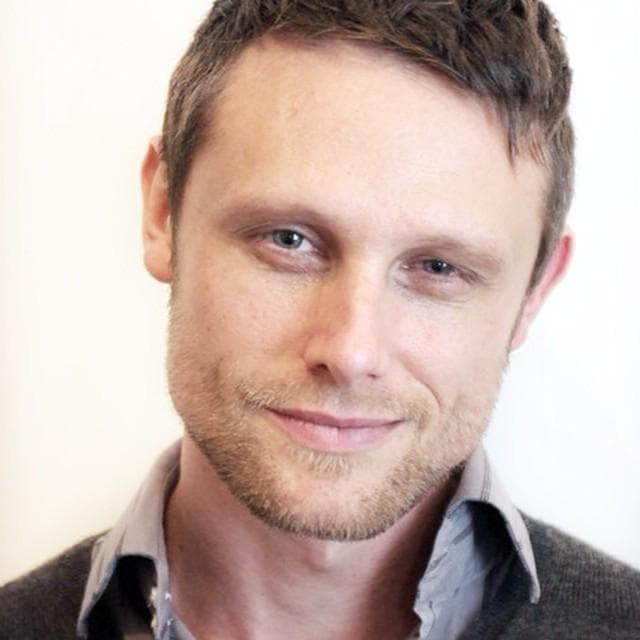
I came up through ThoughtWorks in Melbourne, building software for banks, media companies, and financial services firms. The technical depth was real, but what I noticed, early and often, was that the hardest problems weren't in the code. They were in the room. Why do organisations invest in good technology and then fail to use it? Why do teams resist changes that would clearly help them? Why does transformation stall? Those questions pulled me away from pure delivery and into the harder work of organisational change.
The anchor moment was Vodafone. I joined their digital leadership team and spent two and a half years leading around 100 people across six to eight teams. We took online sales up 200 percent. Employee engagement moved from 43 to 63 percent in six months. Net Promoter Score turned from negative to positive within the year. I tell those numbers not to impress, but to be specific: they aren't technology numbers. They are organisational change numbers. The technology worked because the people and the processes changed around it, and that required something beyond engineering.
After Vodafone, I went deeper into the human side. I trained as a leadership coach, worked at the intersection of somatic and developmental practice, and spent several years working with teams at the level where real change actually happens: how people think, how they relate, how they hold uncertainty. That period isn't a detour from the “real” career. It's the explanation for why the transformation work succeeded. Technology adoption fails at the human layer. I spent years working on that layer. Now, with Alchymie, I bring all of it to the question of AI.
“The technology worked because the people and the processes changed around it. That required something beyond engineering.”
The technology is the easy part.
Every engagement starts with understanding the business: what you actually do, where the friction is, what the team can absorb. The AI tools come second. Most AI fails at adoption, not technology. A perfectly good system sits unused because the workflows weren't redesigned, the team wasn't brought along, or the problem it solved wasn't the real problem. My job is to make sure yours doesn't.
And there is one more difference worth naming plainly. Plenty of consultants will advise you on AI. I build the agents, and then I run them: hosted, monitored, tested against your real work every month, with approval gates on anything that matters. Jasper, the business agent behind our first client story, has been running in production this way for months. Advice ends when the meeting ends. An agent I run is my responsibility for as long as it works for you.
“I'll tell you when AI isn't the right answer.”
“I work with your team, not around them.”
“I stay until it works, not until the project ends.”
Start with a conversation.
30 minutes. No agenda but yours. Tell us about your business and what you're trying to solve.
Book a Conversation